
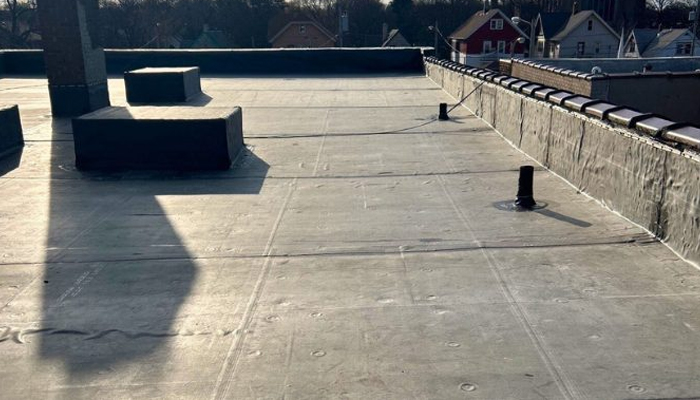
Most Flat Roof Problems Start Quietly
Flat roofs rarely cause panic right away. There’s no loud crash, no dramatic moment where everything goes wrong at once. Instead, things change slowly. A damp smell appears after rain and disappears by morning. A stain shows up, dries out, and gets forgotten. Water sits a little longer than it used to, but eventually goes away. Because nothing feels urgent, nothing gets done. That’s how flat roof problems grow.
Why Flat Roofs Are Easy to Ignore
You don’t see a flat roof unless you’re looking for trouble. From the inside, everything looks fine. From the ground, nothing seems off. That’s why many property owners delay calling a roofing service in Dallas, TX, until problems become serious. Water doesn’t slide off the way it does on sloped roofs. It moves slowly, spreads out, and finds its way through seams instead of obvious gaps. That slow movement makes damage harder to notice and easier to dismiss—often until professional roofing service is the only solution.
Standing Water Is the Roof Asking for Help
After a heavy rain, some water on a flat roof is normal. Water that stays for hours or days is not. When water doesn’t drain properly, it adds weight and stress. Materials soften. Seams weaken. Small cracks turn into entry points. Even if the water eventually dries, the damage doesn’t reverse itself. That lingering water is one of the clearest warnings a flat roof gives.
Leaks Never Show the Whole Story
Flat roof leaks almost never appear where the real problem is. Water travels sideways before it shows up inside. So when a ceiling stain appears, people fix that spot and move on. The roof above might still be compromised in multiple places. By the time water makes it indoors, it has already been moving for a while. The leak is the symptom, not the cause.
When Patches Become Routine, Something Is Wrong
A repair here and there isn’t unusual. But when repairs become regular, the roof is telling you it’s tired. Materials lose flexibility over time. Seams stop sealing the way they should. Flashing loosens. Drains clog more easily.
Each patch buys time, but it doesn’t restore the system. Eventually, there’s nothing left to patch.
Flat Roof Materials Age Differently
Flat roofs deal with constant exposure. Heat during the day. Cool temperatures at night. Standing water. Foot traffic for maintenance.
That wear doesn’t happen overnight. It builds quietly. At first, materials still hold. Then they start stretching. Then they stop bouncing back. That’s when small problems start stacking up. By the time damage looks serious, the material has already been failing for years.
Interior Clues Often Get Blamed on Other Things
Inside the building, roof issues don’t always scream “roof problem.”
Paint bubbles and dries. Ceilings feel slightly soft. A musty smell lingers after storms. People blame humidity, old buildings, or seasonal changes.
Meanwhile, moisture keeps moving where it shouldn’t. Those interior signs are often the roof asking for attention indirectly.
Flat Roofs Need Watching, Not Guessing
Flat roofs don’t need constant panic. They need observation.
How does water drain after rain. Do certain areas stay wet longer. Are seams lifting. Are repairs becoming more frequent. Professional inspections catch these changes early. Early fixes are smaller, cheaper, and far less disruptive. Waiting removes those options. Connect with us today!
Leave a Comment